If we talk about skin care routines, then one of the most important products used from it is a moisturizer. Dry skin, oily skin, or even combination and sensitive skin can benefit from good hydration because it helps provide essential moisture to prevent all of these common cleanup concerns.
So plenty of folk spend money on cleansers, serums and/or remedies but take a excellent moisturizer without any consideration. Actually, none of the most recommended skin-care products can provide optimal results if your tan is dehydrated.
This guide will tell you what is a moisturizer, the types it comes in, how to pick the right one depending upon your skin type and above all how to effectively use a moisturizer to get an improved smoothness.
What is a Moisturizer?
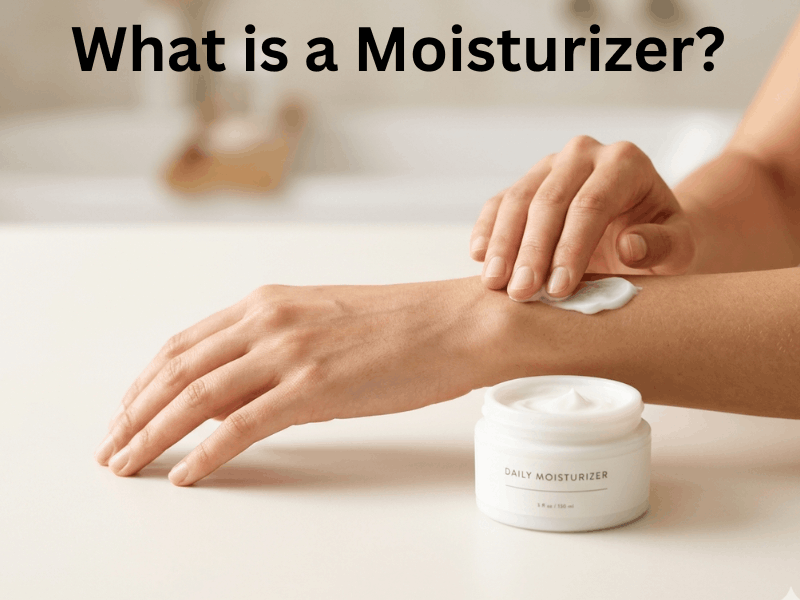
Firstly, A moisturizer is a topical cosmetic that hydrates the skin and helps to prevent water loss from the stratum corneum (the outer layer of our skin).In Addition It creates a barrier that secures moisture and protects from outside aggressors.
During the day the skin gradually loses moisture due to external factors (pollution, weather conditions, cleansing and air conditioning) as well as its natural aging process. Then, Use moisturisers to replace water in the skin and encouraging barrierfunction.
Many newer moisturizers have these components within:
- Hyaluronic Acid
- Glycerin
- Ceramides
- Niacinamide
- Squalane
- Shea Butter
- Aloe Vera
This helps to draw moisture, reinforce the skin barrier and support skin health overall.
Similarly, Moisturizer is a daily necessity that makes the skin feel soft, smooth, comfortable and healthy.
Types of Moisturizers
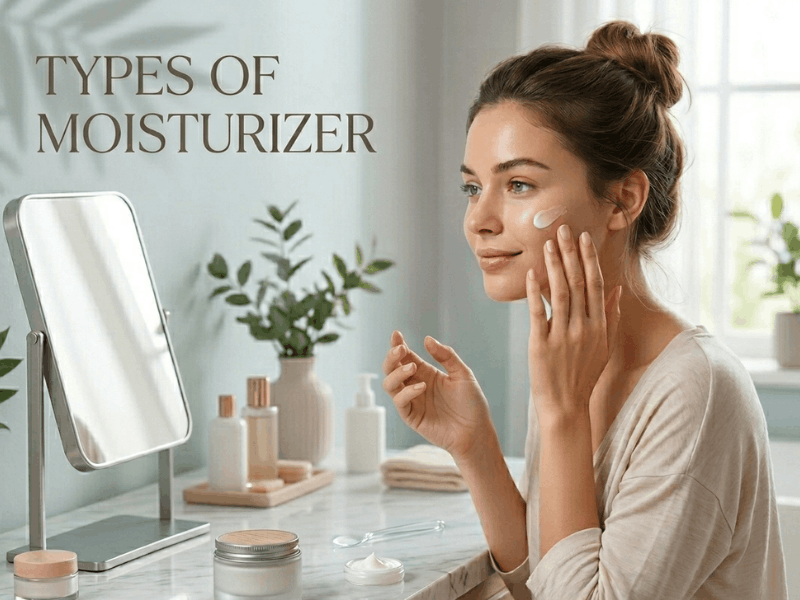
Firstly, Not every moisturizer is made equal. in Addition No two moisturizers are formulated for the same needs. Some are made for day use, whereas some can only be worn at night or in specific body areas.
Daytime Moisturizer
Since a daytime moisturizer is generally lightweight and absorbs quickly. Also, It hydrates the skin without being greasy, perfect to be placed under makeup or sunscreen.
Many daytime moisturizers include:
- Lighter hydrators
- Antioxidants
- Ingredients to control for oil
- SPF protection
These products provide hydration while also protecting the skin from environmental damage as you go about your day.
Evening Moisturizer
Night creams tend to be deeper, more nourishing formulas than day ones. The skin repairs itself overnight, so nighttime is the perfect opportunity for a much-needed boost in hydration.
Benefits of evening moisturizers include:
- Deep hydration
- Improve skin recovery
- Increased moisture retention
- Support for overnight repairing
Evening moisturizers typically contain ingredients like ceramides, peptides and hyaluronic acid.
Body Moisturizer
Firstly, The skin of the body often needs some extra moisturisation as it is under friction, harsh soaps and environmental challenges.
There are several forms of moisturizers for the body:
• Lotions
• Creams
• Body butters
• Body oils
Also, It helps to reduce roughness, dryness and flaky skin of elbows, knees, feet and hands with regular use.
Hair Moisturizer
Firstly, Hair too require moisture to stay lively and combable. While heat styling, exposure to the sun and chemical treatments can all contribute to a loss of hydration in our hair, the use of a moisturiser helps to counteract these effects.
Common hair-moisturizing products include:
• Leave in conditioners
• Hair creams
• Hair serums
• Moisturizing hair masks
An expert overhaul of your hair
Regular use of a hair moisturizer improves softness reduces frizz and increases gloss.
What Is The Moisturiser Which Suits Your Skin?
Firstly, Depending on your skin type and preferences, the best moisturizer for you. For Dry Skin
Mostly dry skin does not retain enough moisture over a period of time and causes it to feel tight and un comfortable.
Look for moisturizers containing:
• Shea Butter
• Ceramides
• Squalane
• Glycerin
Because they usually contain a lot of moisturizing properties and hydration, rich cream-based formulas are generally well-suited to dry skin as they combat dry skin by keeping the moisture within the skin.
For Oily Skin
Individuals with oily skin think they can forgo moisturizer because their skin is already producing too much oil. However, not using moisturizer will prompt the skin to actually create more oil.
Choose moisturizers that are:
• Lightweight
• Oil-free
• Non-comedogenic
• Gel-based
They also contain skin-loving ingredients like niacinamide and hyaluronic acid to help the skin feel hydrated without remaining heavy and greasy on the surface.
For Sensitive Skin
Gentle Hydration & Soothing Ingredients Sensitive skin requires the utmost gentle touch of hydration.
Look for moisturizers containing:
• Aloe Vera
• Panthenol
• Ceramides
• Colloidal oatmeal
• Centella Asiatica;
Stay away from products that contain too much fragrance, alcohol and other irritants.
How to Use a Moisturizer?
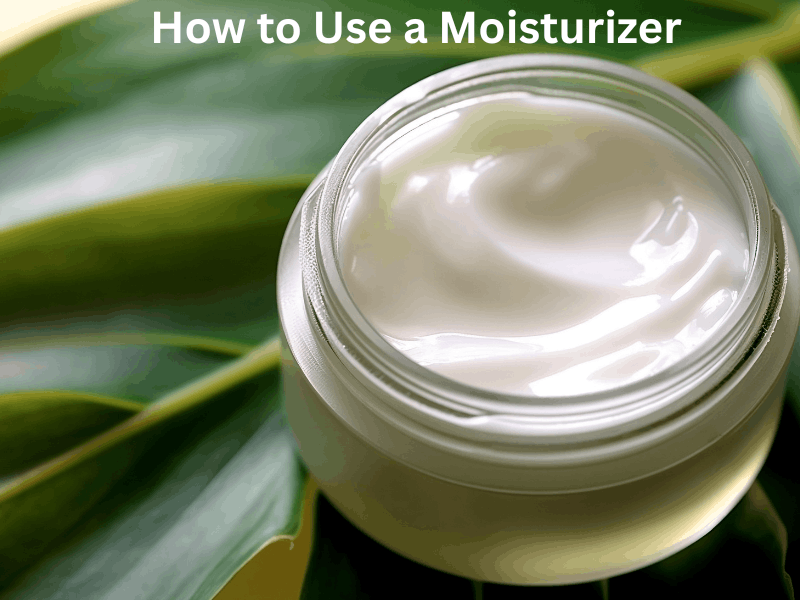
Moisturizing the right way can make a huge difference in its efficacy.
Cleansing
Clean skin to begin (as always before applying moisture).
Apply a mild face wash to liberate:
• Dirt
• Excess oil
• Sweat
• Makeup
• Environmental toxins
Moisturizers need to be applied on clear skin to actually function properly.
After washing your face, instead of rubbing a towel on the skin to dry it pat gently!
Moisturising
Best practice is to use your moisturizer immediately after cleansing while skin is still barely moist. This keeps in moisture and with that, layers of moisture infused into our skin for a longer lasting hydration.
Apply the moisturizer evenly across:
• Forehead
• Cheeks
• Nose
• Chin
• Neck
Utilize soft upward strokes in order to apply evenly, ensuring uniformity.
During morning skincare apply sunscreen as the last step after moisturizer (or mixed with it).
Pay Attention to the Quantity
Applying the right amount of moisturizer is vital.
Not enough can lead to inadequate hydration, and too much may leave the skin feeling heavy or greasy.
As a general guide:
Face: Size of a pea
• Face/neck: Nickel Size
• Produce the desired level for body application, large enough to be able to cover the skin being explored.
Massage the Product In
Instead of slapping a dollop on your skin, give yourself an additional 60 seconds to massage the product into the skin.
Benefits of massaging include:
• Improved absorption of product
• Better circulation
• Relaxation
Optimizing the Use of a Moisturizer
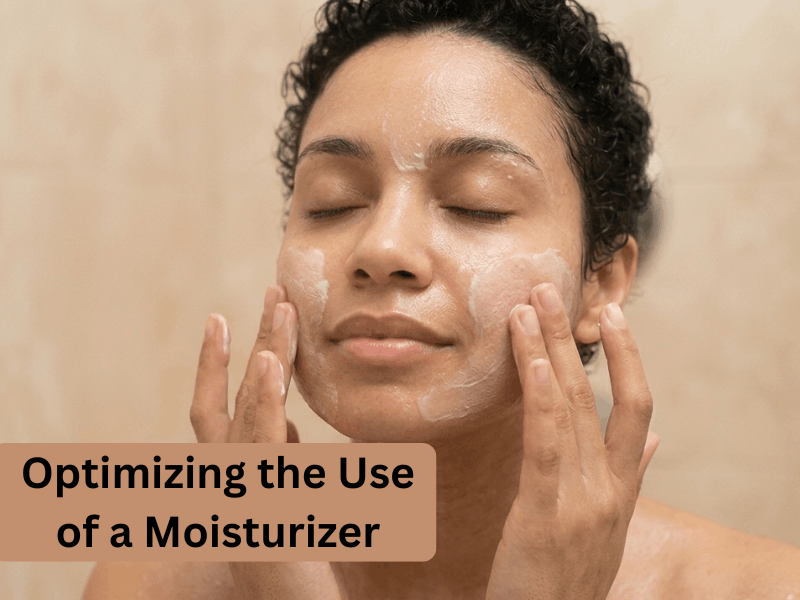
Begin in circular motion finishing with upward strokes an never rub or pull the skin.
Leave a few minutes between applying this and make up, or other products.
In Addition, There are a few things you can do with this method to really make it work.
Here are some tips to maximize your moisturizer experience:
Apply on Damp Skin
Moisturizers seal in moisture, so they perform optimally on skin that is slightly damp.
Layer Products Properly
Follow this skincare order:
- Cleanser
- Toner (optional)
- Serum
- Moisturizer
- Sunscreen (morning only)
So, This sequence means that every product works as it should.
Adjust According to Seasons
The requirements of your skin vary during the year.
• Winter might need thicker creams.
• Summer — Light, Water-Based Gels or Lotions.
Switching up your moisturizer with the seasons will also help skin feel better.
Use Twice Daily
Then, Use moisturizer two times a day to keep your skin hydrated and healthy.
Don’t Forget the Neck
The neck is a frequently neglected area that is as prone to dryness and aging as the face. So when applying your moisturizer, take it down to the neck and upper chest.
Benefits of Moisturizer
Moisturizer Benefits List: Why You Should Use Moisturizers Regularly Instead, the use of a moisturizer has various benefits apart from regular hydration.
Strengthens Skin Moisture Barrier
The skin barrier protects against the loss of moisture and acts as a protector against environmental harm.
A good moisturizer helps:
• Enhanced barrier function
• Lock hydration
• Decrease water wastage
• To Protect from external aggressions
So, Strong skin barrier equals stronger and healthier skin.
Keywords Addresses Ageing of the Skin
Firstly, Well hydrated skin tends to be more smooth and youthful looking.
Moisturizers can help:
• Diminish the look of fine lines
• Enhance skin elasticity
• Plump up the skin
• Healthy glow
Although moisturizers cannot prevent aging, they can help to reduce visible characteristics of dehydration that make the skin appear older.
Comforts And Helps Reduce Sensitivity
Firstly, Dry and dehydrated skin usually presents tight, itchy or uncomfortable.
Regular moisturizing can:
• Softnes enhancement
• Minimize irritation
• Help overall skin comfort
Great news especially for sensitive skin types.
Helps with Eczema and Dermatitis
Individuals are diagnosed with eczema and dermatitis suffer from an impaired skin barrier that loses moisture quite easily.
A moisturizer can help with:
• Reduce dryness
• Relief of irritation
• Reduce Trigger for scratching
• Help skin barrier function
Although, Frequent moisturizing is often recommended by dermatologists.
FAQs
1. How frequently should I apply moisturizer?
For most of the people, it is advantageous to use the moisturizer two times a day, once in the morning after bath and once at night after bath.
2.Should oily skin use moisturizer?
Yes. Oily skin still requires hydration. So, Choose a lightweight, oil-free moisturizer.
3.Can I put on a moisturizer without washing my face?
When you use a moisturizer, apply after the cleansing so that it can better absorb and works better on your skin.
4.Should I put serum before or after moisturizer?
Serum is applied right before the moisturizer. Also, The moisturizer will help lock in the powerful ingredients from your serum.
5.Can moisturizer help with dry patches?
Yes. Widespread use can make a huge differente in thoroughly coarse, also flaky spots of the skin.
6. Should I apply moisturizer before sunscreen?
Yes. Use moisturizer first so that it can be soaked up before putting on sunscreen!
Final Thoughts
However, Applying moisturizer properly is step one towards achieving glowing, balanced, hydrated skin! In Addition, The moisture absorbent that fills the voids of moisture lost, enhances comfort by enhancing the skin barrier and better provides total health for the skin.
The trick is to find a moisturizer suitable for the skin and be sure to apply it regularly in your daily skin-care routine. So No matter what type of skin you have — ultra-dry, oily, or sensitive — the right kind of moisturization will help your skin look and feel better.