Pigmentation and dark patch is one of the leading skincare issues we observe so many people every day facing over a period all age group. Whether from acne scars, sun exposure, hormonal changes or aging these marks can leave the skin looking uneven and lackluster. The silver lining, however, is that with the right serum in your daily regimen you can minimize pigmentation and have (or at least get close to) an even toned bright complexion.
The problem, however, is that there are so many serums out there to choose from. In this guide, we will look at what serums are and why they work (for pigmentation specifically), the exact reason behind dark spots in some cases, and which ingredients you need to pay attention when finding a good serum.
What Is a Serum?

A serum is a lightweight skincare product that contains high levels of targeted active ingredients. Serums can be loaded with the good stuff, but you don’t need to slather your face in an entire tube every day. While moisturizer is primarily there for hydration and protecting the skin barrier, serums are made to get deeper into the skin (and absorb better) so they deliver those potent ingredients right where they most benefit us!
With a thin texture that is easily absorbed and does not make the skin greasy, serums usually feature them. Which are often used after cleansing, to the skin before moisturiser.
Depending on their formulation, serums can targeted treat multiple concerns such as:
- Pigmentation and dark spots
- Acne and breakouts
- Fine lines and wrinkles
- Dehydration
- Dullness
- Uneven skin tone
- Enlarged pores
Serums frequently include ingredients for pigment and dark patches that assist control melanin production, exfoliate dead skin cells, and aid your skins internal (and metabolic) renewals.
Let us understand a little more about the importance of serums when it comes to pigmentation & dark spots.
Pigmentation treatment works with establishment and intensity of ingredient. This is where serums differ from many other skincare products.
High Concentration of Active Ingredients
Serums are concentrated formulas with carefully-selected ingredients designed to address specific skin concerns. This enables them to provide better performance than products with lower levels of the active ingredients in question.
Faster Absorption
Since the texture of serums are light, they easily penetrate into your skin. That makes the active ingredients more effective when it comes to pigmentation.
Targeted Treatment
Unlike other skincare products, serums specifically targets certain concern. Pigmenting serums target brightening darker skin tones, lightening current spots and stopping new ones from developing.
Improves Overall Skin Tone
A good serum not only lightens spots, but it refines the skin for better clarity and brightness as well its overall radiance so that your complexion looks healthy and even.
Supports Long-Term Skin Health
These pigmentation serums also contain antioxidants and other skin-repairing ingredients that not only fight against factors such as UV rays but also pollution to keep the skin looking youthful long term.
What causes pigmentation and dark spots?
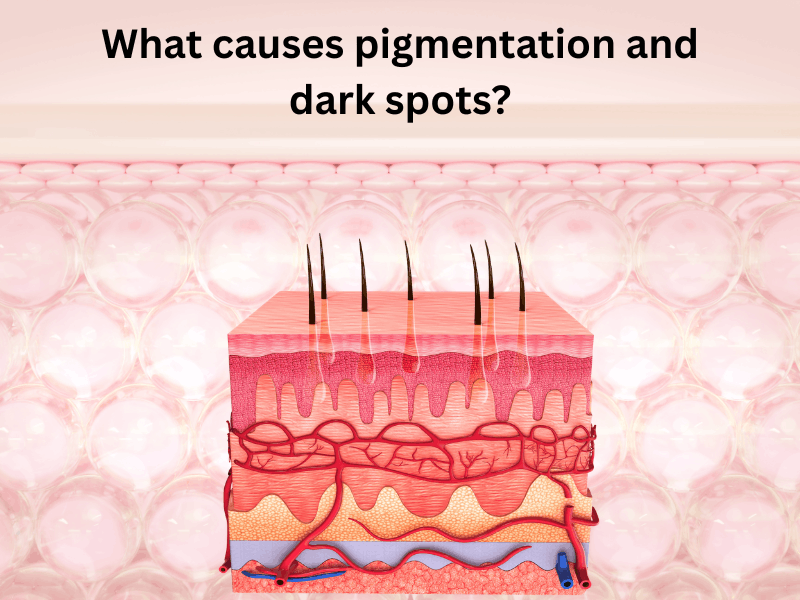
If you know the reason behind pigmentation, it becomes easy for you to select an appropriate treatment.
Sun Exposure
The major cause of pigmentation is long time exposure to ultraviolet (UV) rays. It is helping protect your skin from the sun by producing melanin when you are outside. If you have excess melanin this can make the patches grow on your cartas, causing sunspots, age spots and blemishes.
This is precisely why you need to wear sunscreen every single day, even if you are using a pigmentation serum as well.
Post-Inflammatory Hyperpigmentation (PIH)
PIH arises as a consequence of skin inflammation or injury. Once the skin feels better, pimples, scrapes and burns may fade to dark smudges.
Post-inflammatory hyperpigmentation often affects individuals with medium to deeper skin tones more severely.
Hormonal Changes
Melasma, brown or gray patches on the face that can be triggered by hormonal fluctuations.
Common triggers include:
Pregnancy
Birth control pills
Hormonal imbalances
Certain medications
Aging
Over the years, those extra hours in the sun add up enough that by middle age we are at greater risk than ever for developing unsightly Age Spots and uneven pigmentation. Aging slows down the natural process of renewal in our skin, so discoloration also appear more often.
Skin Irritation
Aggressive skin care products, over-exfoliation or picking at acne can cause trauma to the area triggering excess melanin production that leads on from dark spots.
Which Serum Ingredients Use For Pigmentation/Dark Spots?
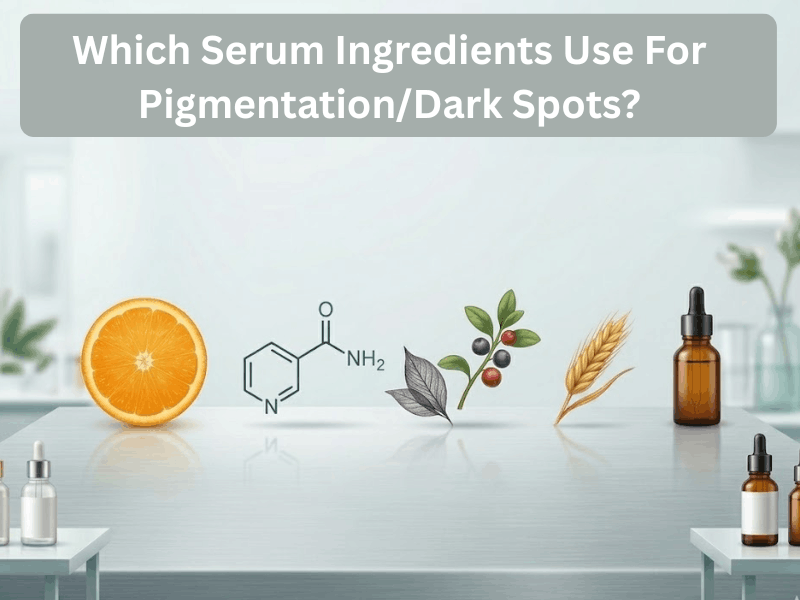
A good serum only works if the ingredients to provide benefits are present. These are some of the most tried and tested ingredients you can use to help reduce pigmentation.
Vitamin C
Vitamin C contains one of the most popular brightening ingredients in skin care.
Benefits include:
- Reduces dark spots
- Boosts skin radiance
- Protects against environmental damage
- Supports collagen production
Vitamin C inhibits the process of melanin production, therefore it is one of most effective element for pigmentation treatments.
Niacinamide
Niacinamide (Vitamin B3) — NiancinmideUser is a great ingredient for almost every skin type.
Benefits include:
- Reduces pigmentation
- Strengthens the skin barrier
- Controls excess oil
- Improves skin texture
This stops the transfer of pigment to skin cells and gradually lightens dark areas.
Alpha Arbutin
Alpha Arbutin is widely known to brighten the skin.
Benefits include:
- Fades acne marks
- Reduces hyperpigmentation
- Promotes even skin tone
- Suitable for sensitive skin
Its mechanism of action involves the inhibition of tyrosinase, an enzyme responsible for melanin production.
Tranexamic Acid
Tranexamic Acid has gained a lot of attention in recent years about treating resistant pigmentation and melasma.
- Benefits include:
- Targets discoloration
- Improves uneven skin tone
- Reduces redness
- Helps prevent recurring pigmentation
Kojic Acid
Kojic Acid is a natural compound derived from fungi that has the ability to lighten skin.
Benefits include:
- Reduces dark spots
- Improves brightness
- Helps treat sun damage
- Supports even complexion
Azelaic Acid
It is especially helpful for those who had acne and pigmentation.
Benefits include:
- Fights acne-causing bacteria
- Reduces post-acne marks
- Improves skin texture
- Brightens uneven skin tone
Selecting The Ideal Serum To Suit Your Skin Type
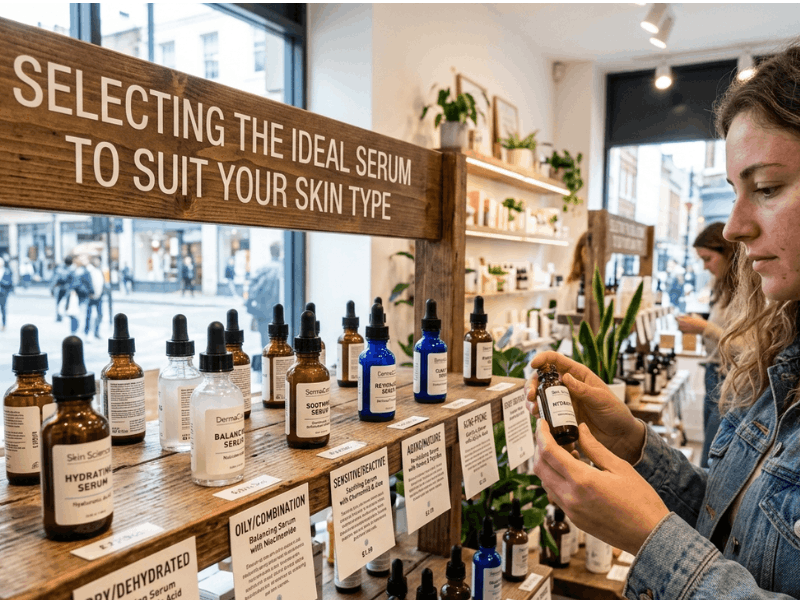
For Oily and Acne-Prone Skin
Look for ingredients such as:
- Niacinamide
- Azelaic Acid
- Vitamin C
- Alpha Arbutin
These ingredients are intended to fade marks and not make the skin greasy.
For Dry Skin
Choose hydrating formulations containing:
- Vitamin C
- Hyaluronic Acid
- Niacinamide
These ingredients brighten while also keeping moisture in.
For Sensitive Skin
Gentle ingredients work best, including:
- Alpha Arbutin
- Niacinamide
- Tranexamic Acid
Tip: Always do a patch test with any new serum.
For Combination Skin
Vitamin C and Niacinamide create a balanced formula targeting pigmentation in your skin while benefiting it as well.
Correct Way to Use a Pigmentation Serum
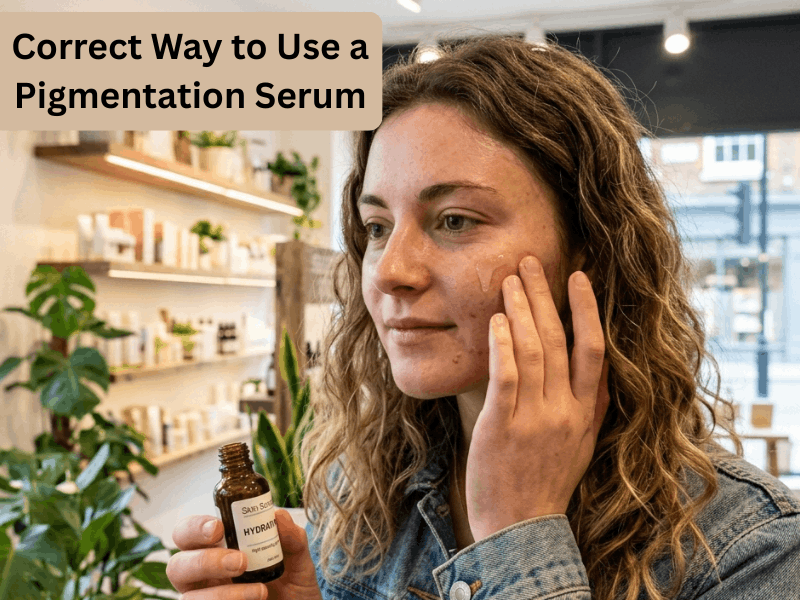
To achieve the best results:
Step 1: Cleanse Your Face
Wash your face with a soft wash to clean away dirt, oil and impurities.
Step 2: Apply the Serum
Dot a few (2–3) drops and spread in the areas around your face/neck gently.
Step 3: Moisturize
Follow up with an appropriate moisturizer that helps seal moisture in the skin.
Step 4: Use Sunscreen
Always use a broad-spectrum sunscreen of at least SPF 30 or higher during the daytime. Treatment often brings more pronounced pigmentation if not pursued with a sunscreen.
Results depend on:
- Severity of pigmentation
- Type of serum used
- Skin type
- Consistency of application
- Daily sunscreen use
As a saying goes, “Patience is the key to success”.
FAQs
1. How long should it take for me to see results?
Pigmentation doesn’t disappear overnight. One noticeable result is usually not realized until 6 to 12 weeks of continual use.
2.What serum is good for pigmentation and dark spots?
Serums (best serumsfor pigmentation/dark spots):Vitamin C, Niacinamide, Alpha Arbutin, Tranexamic Acid and Azelaic acid are some of the best choices to remove pigmentation or darkspots.
3.Can vitamin C serum clear dark spots?
Vitamin C is a fantastic ingredient that can massively lighten dark spots with continued use by reducing melanin production and visibly brightening the skin.
4.Is Niacinamide good for pigmentation?
Yes. For example, niacinamide diminishes discolouration by enhancing skin tone and improves the function of our barrier layer so it strengthens pigmentation.
5.When Pigmentation serum can be used in the morning or at night.?
Typically the best pigmentation serums can be used every day or twice a day, along with well as product label.
6.Should I use sunscreen when using a pigmentation serum?
your skin tolerance as Absolutely. Why is sunscreen important? UV exposure can exacerbate pigmentation and may interfere with the treatment you are doing.
7.Even though acne scars and dark spots share the same features, Are both treated with a similar serum?
Yes. However, due to how effectively a lot of them work on acne marks as well when you inflammatory app or want pigmentations such as Niacinamide topped tangled with Alpha Arbutin-Ansyllic Acid and Vit C that actually lessens both dermatitis largest and pigmented spots.
Final Thoughts
It is one of the keys to finding your ideal serum for pigmentation and dark spots, selecting which active ingredients are best suited to your skin type & its concerns. For example, if your goal is to brighten the skin and reduce discoloration over time, you will likely need a combination of Vitamin C products as well as ingredients like Niacinamide (an antioxidant), Alpha Arbutin which are helpful for reducing hyperpigmentation short-and-long-term, Tranexamic Acid which has proven benefits in Acne & Post-Acne Murad Skin-Related Disorders journal, Vol.
Keep in mind skincare is a process, not an overnight achievement. With such a good serum applied an also protection through the day by using sunscreen products and skin care daily, you will notice over time that your sking gets, clearer brightner looks more even.