
Firstly, Sun protection is hands down the most essential part of any skincare regimen. in Addition, Be it acne, pigmentation, premature aging — or simply having your skin look good, sunscreen is the key skin care product for every face that you must put on to protect it from harsh rays of the sun.
Most of us buy overpriced serums, moisturizers, and treatments while not investing in sunscreen. Your skin is still susceptible to sun damage, which can lead to dark spots, tanning and signs of aging without appropriate sun protection.
So, From where to find the best sunscreen for face? The answer is delegated your skin kind, way of living as well as skincare demands. Also, In this guide, we are going to breakdown how to find the appropriate sunscreen for you and why it should be a staple each day.
Why Sunscreen Is Essential In Your Skincare Routine?
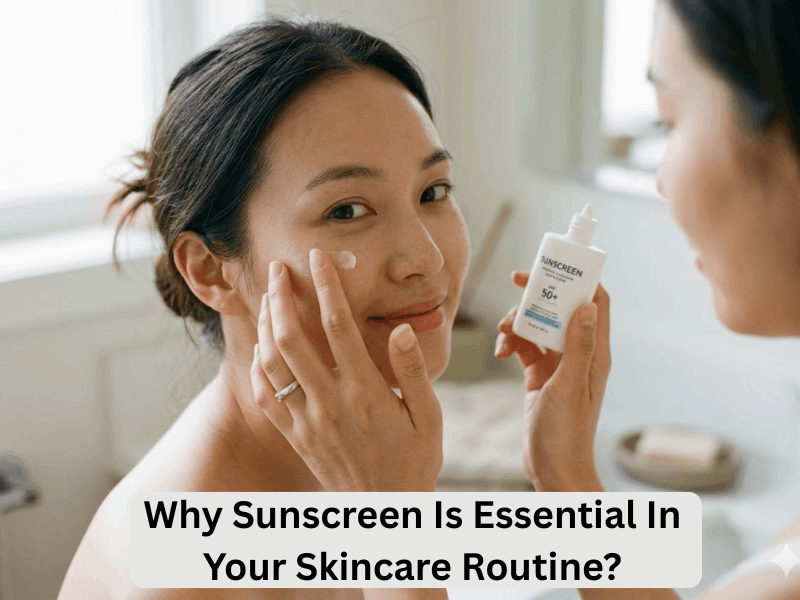
Firstly, The sun releases out ultraviolet (UV) rays that can burn the skin, even on cloudy days.
Chronic long term sun exposure certainly can give rise to:
- Sunburn
- Hyperpigmentation
- Dark spots
- Premature aging
- Fine lines and wrinkles
- Uneven skin ton
- Loss of skin elasticity
Greater chance of developing skin cancer
Then, A sunscreen is a protective layer that shields the adverse effects of UV rays. It keeps your skin even and provides long-term care when used daily. Most of us buy overpriced serums, moisturizers, and treatments while not investing in sunscreen.
When dermatologists talk anti-aging skincare, they usually end up on sunscreen as being the most effective. Sunscreen protects and prevents damage before it has occurred.
What Does SPF Mean?
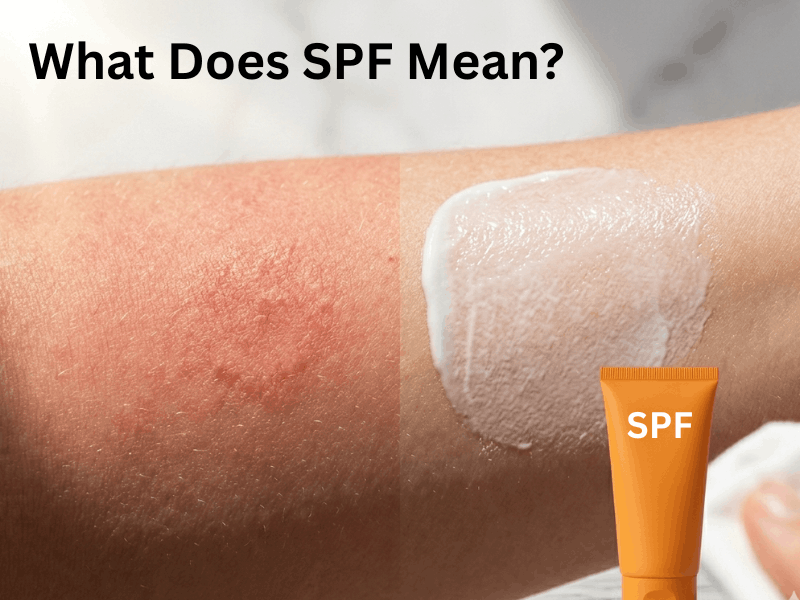
Firstly, SPF is short for Sun Protection Factor.
This means how good a specific product protects the skin from UVB rays (which are responsible for sunburn and damaging the skin in general).
For example:
SPF 15 protects up to about 93% of the UVB rays
SPF 30 filters around 97% of UVB rays
An SPF 50 will filter around 98% of UVB rays.
Yes higher SPF does offer a small degree of more protection, but there is so much more to it in applying the product and re-applying at regular intervals.
So, Get the Best Sunscreen Lotion for You
How to Select One of the Most Suitable Sunscreen for Indians
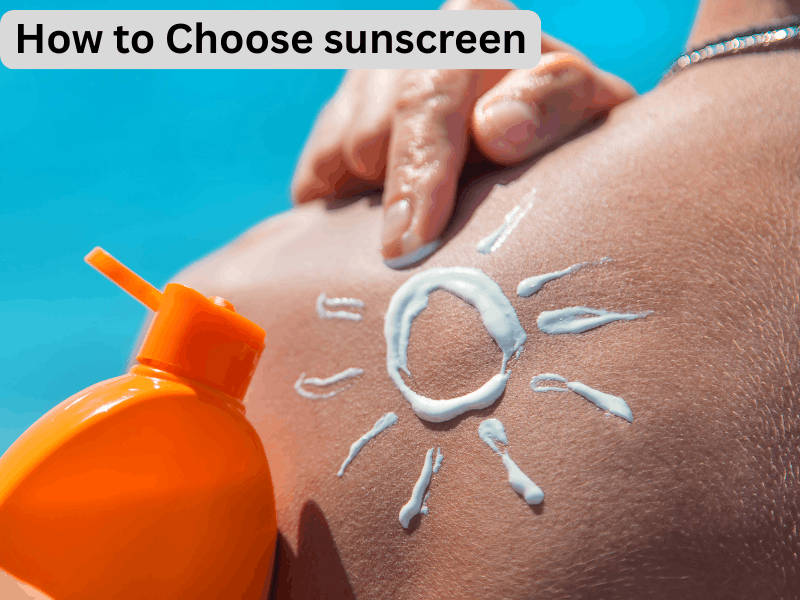
Firstly, Our skin in India is subject to harsh, direct sunlight, humid heat and pollution. So choosing the best one for you is not as simple as going for the highest SPF possible.
Choose SPF 30 or Higher
Dermatologists often recommend a SPF 30 or above for daily wear.
There are some merits of sunscreen with SPF 30 and more. Here they are
Sufficient protection from UVB rays
- Helps prevent tanning
- Reduces pigmentation
- Protects against sunburn
- Suitable for daily use
SPF 50 gives you more protection if you’re outside for a lot of time
Look for Broad-Spectrum Protection
Firstly, Broad-spectrum protection is what an ideal sunscreen provides.
This means it protects against:
UVA rays (causes of aging and pigmentation)
UVB rays (cause sunburn)
Remember that anything higher than 30 SPF only provides an inadequate barrier, with broad-spectrum you will still be getting damaged due to low levels if they are not high enough.
Choose by skin type
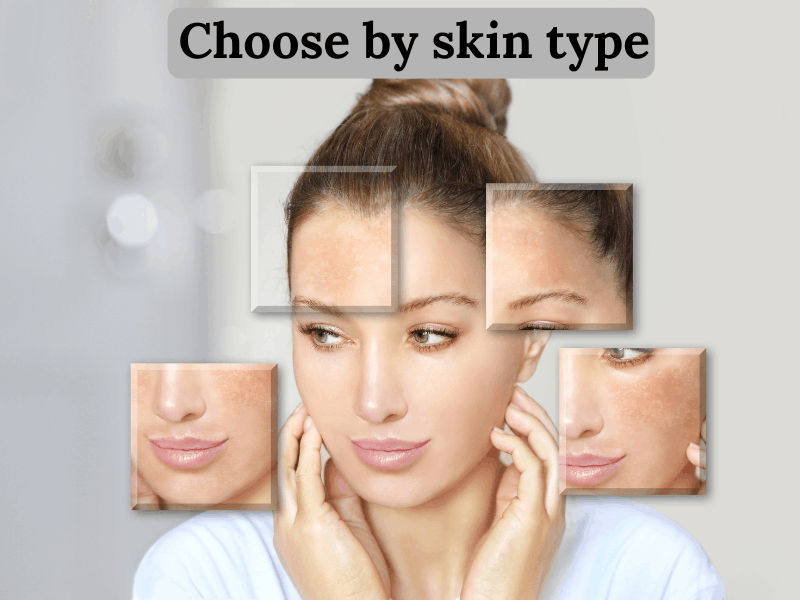
Selecting sunscreen according to skin type enhances comfort and potency.
If you have oily & acne-prone skin
Oily skin type (to be chosen by people with oily skin)
Lightweight formulas
- Oil-free sunscreen
- Non-comedogenic products
- Gel-based textures
- Matte finish sunscreens
They also control shine while giving you still a light and breathable formula, that won’t clog your pores.
For Dry Skin
Sunscreens with moisturizing ingredients tend to benefit dry skin.
Look for:
- Hyaluronic Acid
- Ceramides
- Glycerin
- Squalane
So, For dry skin, cream-based sunscreens are usually the most effective formula.
For Sensitive Skin
Sensitive skin also requires gentle formulations.
Look for:
- Fragrance-free products
- Mineral sunscreens
- Zinc Oxide
- Titanium Dioxide
These have a lower risk of being irritants.
For Children
Firstly, Kids skin is sensitive and need a lot of care.
Choose:
Mineral-based sunscreen
SPF 30 or higher
- Broad-spectrum protection
- Water-resistant formulations
- Steer clear of products that have a strong scent or additives.
The Best Sunscreen Ingredients, According to Dermatologists
Some skincare ingredients can help with both, protection and skin.
Zinc Oxide
firstly, Zinc Oxide – One of the most trusted sunscreen ingredients.
Benefits include:
- Broad-spectrum UV protection
- Gentle on skinIt reduces the risk of irritation
- Suitable for skin that’s prone to acne
- This is often found in sunscreens made from minerals.
Niacinamide
Niacinamide is good for things, in skincare.
Also, It is a multipurpose skincare ingredient.
Benefits include:
- Controls excess oil
- Reduces redness
- Improves skin texture
- Helps fade pigmentation
In addition, Niacinamide is included in many of today’s sunscreen for extra skin-care benefits.
Hyaluronic Acid
Which is really good for the skin.
Also, Hyaluronic Acid helps the skin stay hydrated.
The benefits of Hyaluronic Acid include:
- The skin looks plumper
- It reduces skin
- The skin feels comfortable
- Deep hydration
Hyaluronic Acid is best for people with dry skin or dehydrated skin.Ceramides are also good for the skin.
Ceramides
It help the skin keep its barrier.
The good things about Ceramides are:
- Ceramides help to keep moisture in the skin.
- Ceramides fix the skin barrier.
- Ceramides make the skin better by reducing skin problems like dryness and irritation.
- Ceramides make the skin strong and healthy
I think Ceramides are really good for people who have skin issues and for people who have skin.Ceramides are good, for everyone because Ceramides help the skin in ways.People who use Ceramides will see that Ceramides make their skin look and feel better.
Ceramides help these people because they make the skin healthier.
Vitamin C
It is very good, for the skin.
Also, Vitamin C helps protect the skin from damage.
Benefits include:
- Brightens skin tone
- Minimizes dark spots visibility
- Supports collagen production
- Protects against environmental damage
Vitamin C is a potent antioxidant that can help provide further protection against free radicals alongside sunscreen.
Types of Sunscreen
Firstly, This background knowledge about the types of sunscreen helps you to make a better choice.
Chemical Sunscreens
Chemical sunscreens absorb ultraviolent rays and turn them into heat and also releasing them from the skin.
Common Active Ingredients
Common ingredients include:
- Avobenzone
- Octinoxate
- Oxybenzone
- Octocrylene
- Homosalate
So, Who Is Chemical Sunscreen For Psoriasis patients may be good candidates for
chemical sunscreen:
- Oily skin
- Combination skin
- Dislikes heavy textures
- The invisibly finished aspirants
These products tend to mix in well and do not leave a white cast.
Downsides of Chemical Sunscreen
Potential disadvantages include:
- May irritate sensitive skin
- May sting the eyes
- Not suitable for all skin types
Mineral (Physical) Sunscreens
Mineral sunscreens are used on top of the skin and reflect UV rays away from the skin.
Mineral Sunscreen Active Ingredients
The primary ingredients are:
- Zinc Oxide
- Titanium Dioxide
Who should use mineral sunscreen
Mineral sunscreen tends to be best for:
- Sensitive skin
- Acne-prone skin
- Children
- Post-treatment skin
- Rosacea-prone skin
Downsides of Mineral Sunscreen
Possible drawbacks include:
- May leave a white cast
- May feel more greasy on the skin
- More challenging to mix at times
Combination Sunscreens
Combination sunscreen contains chemical and mineral filters.
Benefits include:
- Enhanced protection
- Better cosmetic appearance
- Reduced white cast
- Lightweight texture
All natural sunscreen with a combination technology – which is why many modern sunscreens have some sort of combination!
Mistakes that Indians make with sunscreen
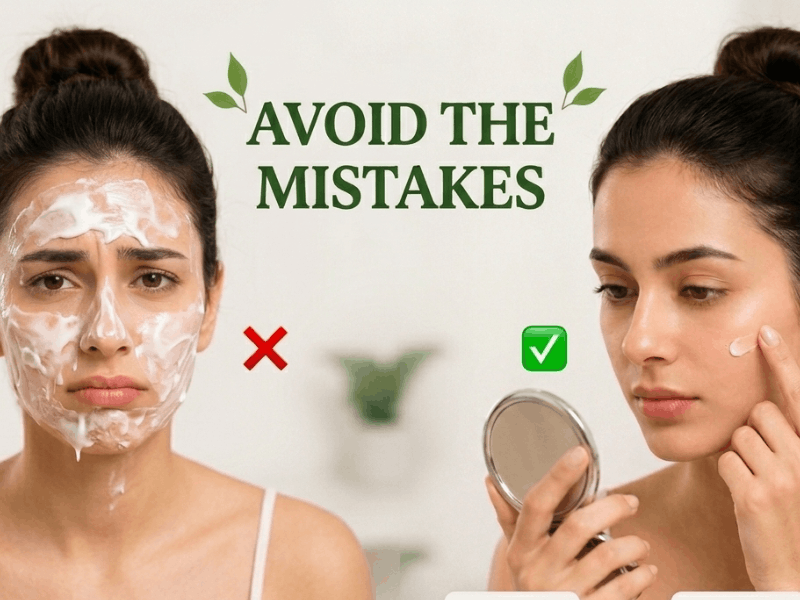
Even the best sunscreen cannot perform if misapplied.
Applying the Wrong Amount
The average person uses less than half the recommended amount of sunscreen.
Using for the face and neck around:
- Two-finger rule of sunscreen
- Roughly 1/4 teaspoon
- Insufficient application significantly reduces protection.
Reapplying Sunscreen Too Rarely
Firstly, When outside, sunscreen should be reapplied every 2–3 hours.
Reapplying especially applies if you:
- Sweat heavily
- Swim
- Hanging Out In Direct Sunlight
- Only wearing sunscreen in summer
Also, The UV rays are available all over the year.
Sunscreen with SPF 30+ should be used Daily when;
- Summer
- Winter
- Monsoon
- Cloudy weather
- Indoor Exposure to the Sun Not Considered
Most people are under the impression so that sunscreen is not needed at home.
But UVA rays can get through windows, aiding to:
- Pigmentation
- Skin aging
You still need to wear sunscreen daily (even inside).
Using the Wrong Type of Sunscreen
Firstly, Compliance can be compromised by the use of less suitable sunscreens.
Examples include:
- Heavy cream on oily skin
- Drying gel on very dry skin
- Fragrance in sensitive skin products
Selecting the appropriate formula promotes usage on a daily basis.
BEST SUNDAM SPF FOR FACE:
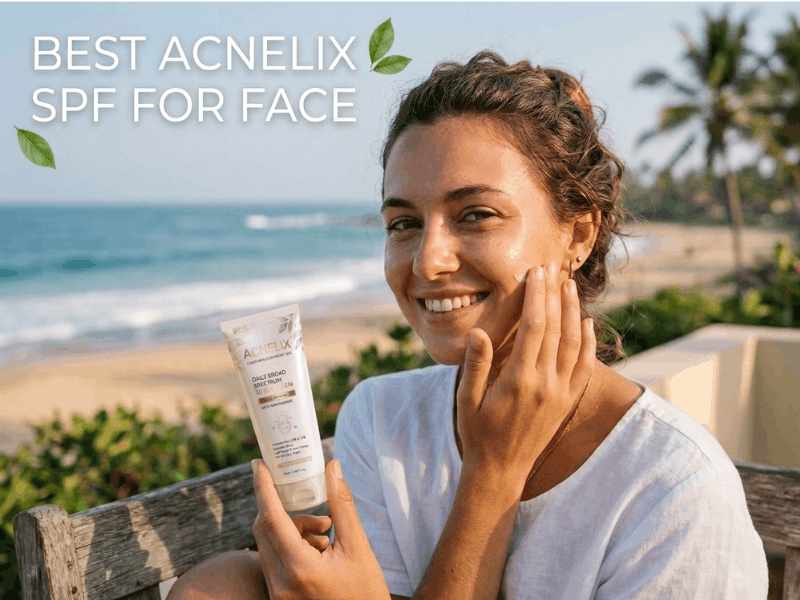
When looking for a sunscreen here are some key things to consider:
It should match your skin type.
- A good sunscreen provides SPF 30 or higher.
- It must offer broad-spectrum protection.
- The best sunscreen does not leave a feeling, on your skin.
- It should be easy to use every day.
So, For skin lightweight gel sunscreens are usually a great option.
If you have dry skin, sunscreens are generally cream-based.
Zinc Oxide, a mineral sunscreen is generally the safer kind of sunscreen for skin that is sensitive and more prone to irritation.
It’s not about chasing trends but about being consistent. The best face sunscreen is the one you actually want to wear every single day.
FAQs
1.Can sunscreen prevent tanning?
Sunscreen helps to prevent tanning by blocking UV rays.. No sunscreen can completely block the suns rays.
2.Is SPF 50 better than SPF 30?
SPF 50 gives you a bit protection compared to SPF 30. This is especially true if you are outside, for a time.
3.What if you are at home — can I skip sunscreen?
No. UVA rays can penetrate glass and therefore lead to skin ageing and pigmentation.
4.Apply sunscreen before or after moisturizer?
Apply sunscreen as the last step of your morning skincare routine after moisturising.
5.Use of Sunscreen in Acne-Prone Skin on a Daily Basis
Yes. This sunscreen must be an oil-free and non-comedogenic formula that specially targeted for acne-prone skin and also the longer lasting protection you can get in day.
6.How often do I need to reapply sunscreen?
Reapply every 2-3 hours while outdoors, and after sweating and swimming.Neither is universally better. Moreover The correct answer ultimately depends on your skin type, how sensitive it is and which option you prefer.
Final Thoughts
The best sunscreen for face is not a specific product but one that works for you and that you apply every day to your skin type!
Using a good sunscreen with an SPF of at least 30, with broad-spectrum sun protection and skin-friendly ingredients will prevent tanning, pigmentation, premature aging and permanent sun damage in the long run.
Regardless of whether you opt for a chemical, mineral or hybrid sunscreen, a daily application as well as regular re-application are required. Furthermore InUsed as part of a good skincare routine and sunscreen can mean smoother, brighter and healthier-looking skin for much longer.
Remember: your costliest serum isn’t the best skincare purchase you’ll ever make — that’s the sunscreen you put on every day!